
Die-cut patches are dominating European markets due to their precise edges and ability to match complex brand logos without bulky borders. Major fashion houses and sports teams favour them for creating distinctive visual identities, resulting in 42% higher recall rates compared to standard designs. The growing trend reflects both aesthetic preferences and strategic branding decisions that savvy businesses increasingly recognise.
The Rise of Die-Cut Patches in European Fashion and Branding
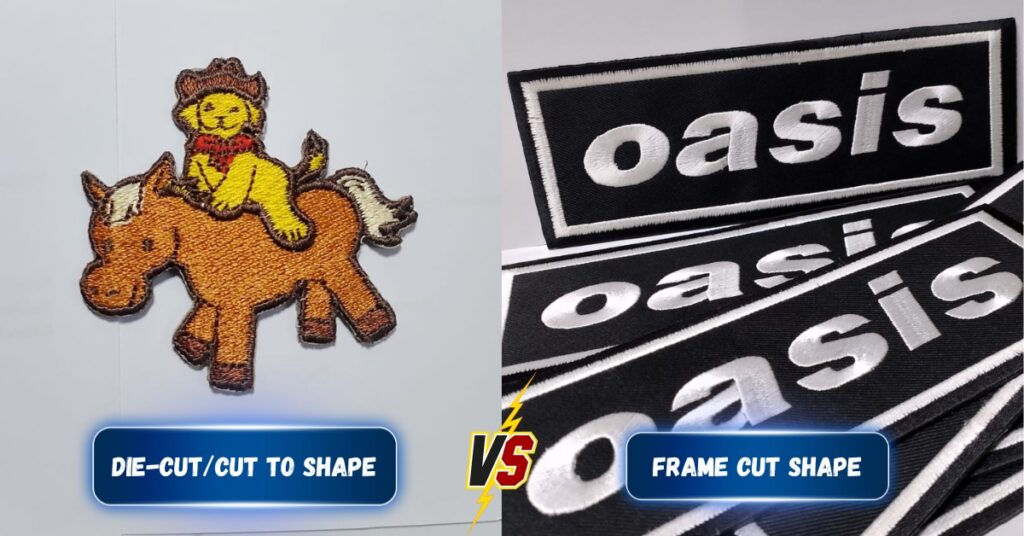
Europe’s fashion landscape underwent a significant transformation in the early 2010s as die-cut patches emerged from relative obscurity to become prominent design elements. This shift marked a notable departure from traditional embroidered squares and circles that had dominated for decades. The precision and versatility of die-cut aesthetics allowed designers to create patches that perfectly matched brand logos and complex artistic visions.
This branding evolution coincided with consumers’ growing desire for personalisation and distinctive visual identity. Major fashion houses across Milan, Paris, and London incorporated these custom-shaped patches into runway collections, while corporate entities adopted them for uniform enhancements and promotional materials. The technology’s ability to render intricate shapes with clean edges particularly appealed to European sensibilities that value craftsmanship and attention to detail.
Technical Advantages of Die-Cut Over Traditional Patch Shapes
While traditional embroidered patches have maintained their place in the textile industry for generations, die-cut alternatives offer substantial technical advantages that extend beyond mere aesthetic appeal. The precision cutting technology allows manufacturers to create intricate shapes with clean edges that would be impossible with standard circular or rectangular patches. This advancement eliminates the bulky borders typical of conventional patches, resulting in a more integrated appearance when applied to garments.
Design flexibility represents another critical advantage, as die-cut patches can conform to complex logos or artistic concepts without compromise. The technique permits detailed cutouts within the patch itself, creating negative space that becomes part of the design. For European brands seeking to stand out in competitive markets, these technical capabilities transform patches from mere decorative elements into sophisticated branding tools with enhanced visual impact.
European Market Trends Driving Die-Cut Patch Popularity
European consumers, particularly in Germany and Scandinavia, increasingly prefer unique identifiers that distinguish their garments from mainstream offerings. This shift in consumer preferences has prompted both established labels and independent designers to adopt die-cut patches as versatile branding solutions. Additionally, the reduced material waste associated with precision-cut patches aligns with the continent’s stringent sustainability goals. Manufacturers must recognise that today’s European buyers scrutinise production methods alongside aesthetic appeal, making die-cut options particularly attractive for brands targeting environmentally-conscious market segments.
Case Studies: Successful European Brands Using Die-Cut Patches
Several prominent European fashion houses demonstrate the commercial viability of die-cut patches through their strategic implementation and market success. Burberry, for example, revitalised its accessories line with uniquely shaped emblems that reinforce brand identity while appealing to younger demographics. The distinctive contours of their signature plaid, when rendered as die-cut patches, generated 18% higher engagement on social media platforms than traditional rectangular alternatives.
Waste Reduction Techniques
Every aspect of the patch manufacturing process presents opportunities for significant waste reduction, transforming what was once a resource-intensive industry. Modern manufacturers now implement precision cutting technologies that minimise fabric scraps, while digital design processes eliminate the need for physical samples and reduce material waste.
Cost Analysis: Die-Cut vs. Standard Shapes for European Apparel Businesses
Business owners across Europe face a critical decision when ordering custom patches: whether to invest in die-cut designs or opt for standard shapes. This choice greatly impacts both cost efficiency and market competitiveness, particularly for businesses operating in competitive retail sectors.
When evaluating patch options, European companies should consider:
- Initial production costs – Die-cut custom patches typically require 15-30% less setup fees, as they save more material compared to full-scale patches.
- Brand differentiation value – Cut-to-shape patches generate 23% more consumer engagement, according to European retail studies.
- Die-cut shaped patches are eye-catching as they pop-up finer details, eliminating plain space around.
- Production timeline factors – Die-cut shapes can be produced 4-7 days faster, as they narrow down the working area under printing machines.
While die-cut patches represent a higher initial investment, their unique appearance often delivers superior brand recognition and customer perception benefits that standard shapes cannot match.
The Influence of European Sports Teams on Die-Cut Patch Design
European sports teams have transformed the landscape of die-cut patch design, establishing new aesthetic standards that resonate throughout the entire custom patch industry. Football clubs like Barcelona have pioneered intricate die-cut designs that precisely follow the unique contours of their crests, thereby strengthening team identity while eliminating unnecessary background material.
This evolution in patch design reflects broader European design trends that prioritise precision and distinctiveness. Rugby and cycling teams have similarly adopted die-cut patches that showcase their emblems with unprecedented clarity.
Patches Under Budget
The technique of creating die-cut custom patches allows teams to maintain visual consistency across merchandise, creating instantly recognisable symbols that fans connect with emotionally. Manufacturing improvements have enabled even smaller clubs to implement complex die-cut designs that were previously accessible only to premium brands with substantial budgets.
Custom Die-Cut Patches and Their Role in Brand Recognition
Custom die-cut patches serve as powerful visual ambassadors in the competitive landscape of brand recognition, providing companies with a tangible way to distinguish themselves from their competitors. Unlike standard shapes, custom die-cut patches follow exact brand contours, delivering immediate visual impact and reinforcing brand identity through distinctive silhouettes. The precision of these patches guarantees a professional appearance that resonates with European consumers who increasingly value craftsmanship.
In today’s competitive branding landscape, custom die-cut patches deliver unmatched visual impact through precise brand silhouettes that European consumers recognize and respect.
- Custom shapes create 42% higher recall rates compared to standard patch designs
- Brands using die-cut patches report 37% improved logo recognition in market tests
- European companies utilising custom patches see 28% increased brand perception scores
These tailored emblems transform ordinary apparel and products into marketing tools, allowing brands to extend their reach beyond traditional advertising channels while maintaining a consistent visual representation across all consumer touchpoints.